Marvel Spotlights, Part 1

Got distracted from my Spider-Man spotlights, but this time I’m at the forefront. Marvel cards for MtG have been spoiled literally earlier today (at time of posting), so this is the perfect time to look up old comics and put references to cards. More to come later, I’m sure, and there’s more than a couple right now, so this might end up a longer post, with scan quality being less than usual. Here we go!

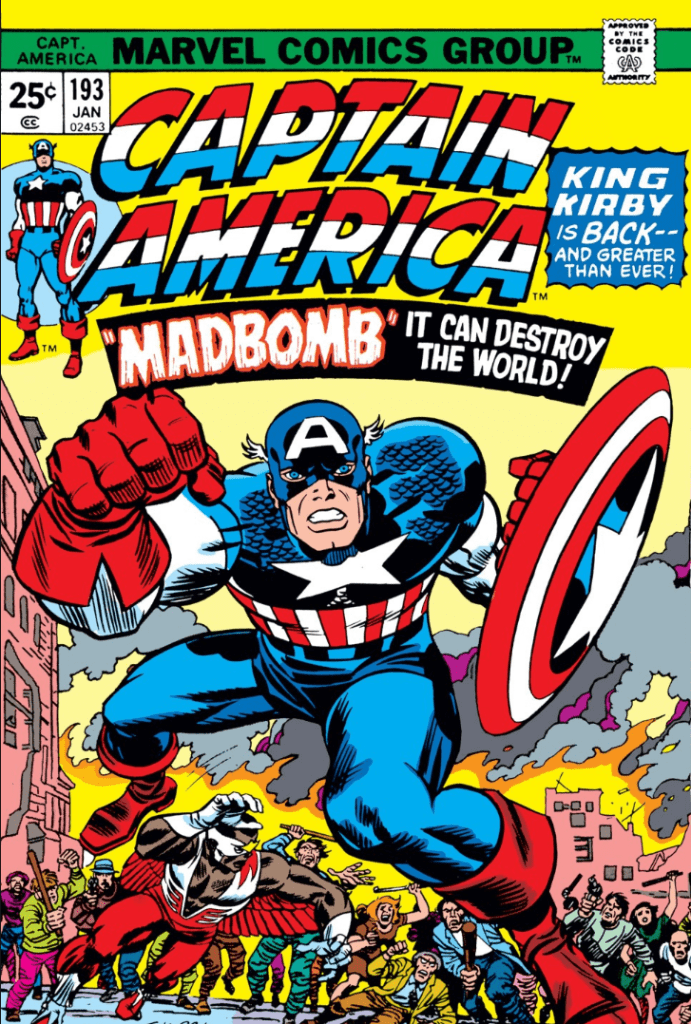
They’re actually making this kinda easy for me this time. The number in the top left was accurate, this is issue 193 from the Captain America run that started in 1968. The Madbomb, as indicated in the title, is a device that makes people mad and riot. It also causes Cap and Falcon to become temporarily racist at each other. Oh, and the reveal at the end, that sets up a cliffhanger for the next comic, is a massive Madbomb designed to destroy the United States. This device is called Big Daddy.
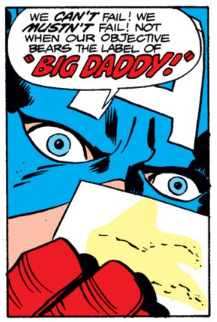
Just thought I’d leave this panel here. No reason.
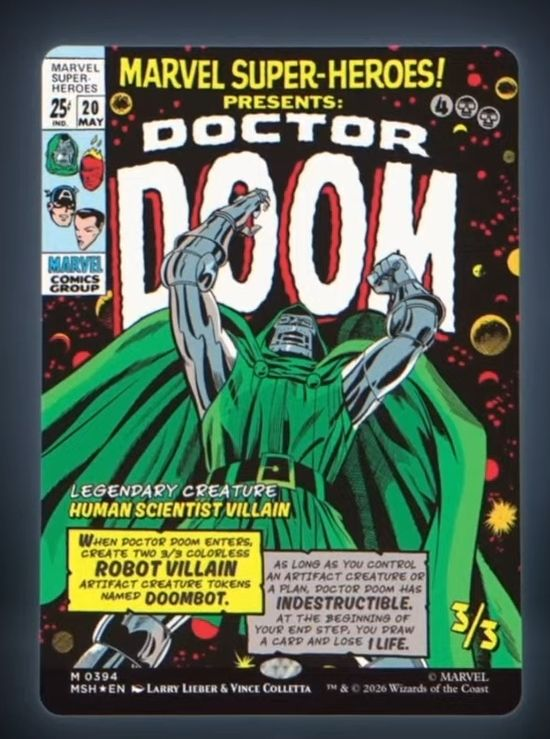
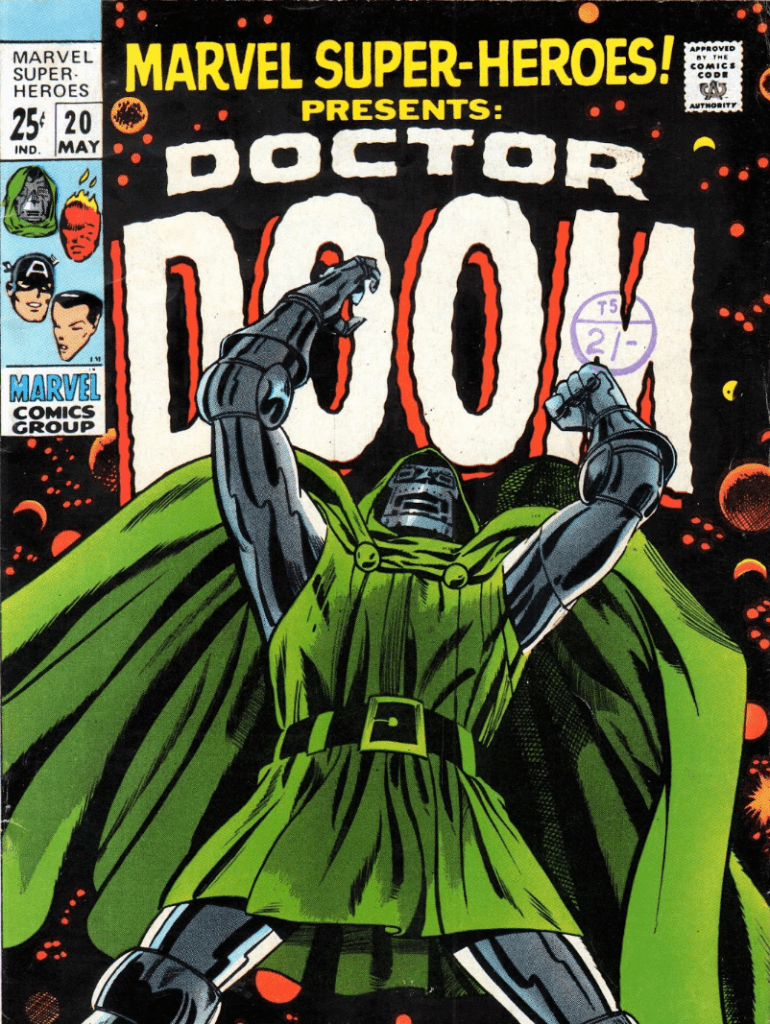
Another helpfully numbered image, this is issue 20 from the omnibus series Marvel Super-Heroes, which just kinda had whoever they wanted in there. As indicated in the top corner, you can see Doom, Torch, Cap, and Namor in this one, right? Nope, this is straight up Doom’s origin story, pieced together by a demonic trickster guy that is offering to make all Doom’s dreams come true, weaved through flashbacks of his childhood, his first love, etc. It suffers from that old-school kinda crap writing, but it does a good job of making us sympathize with the guy.
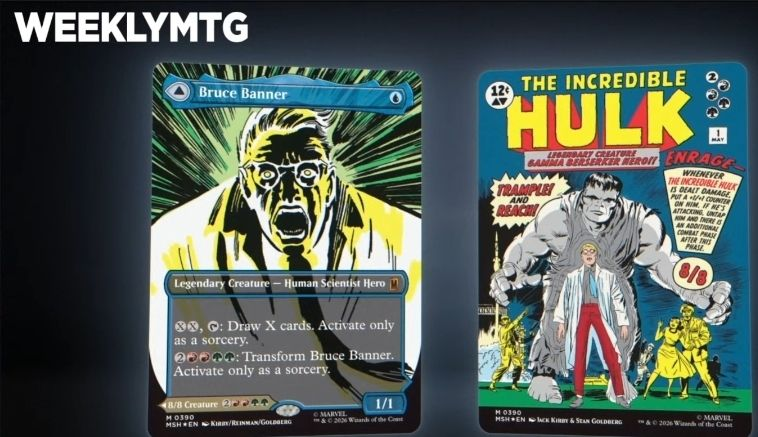
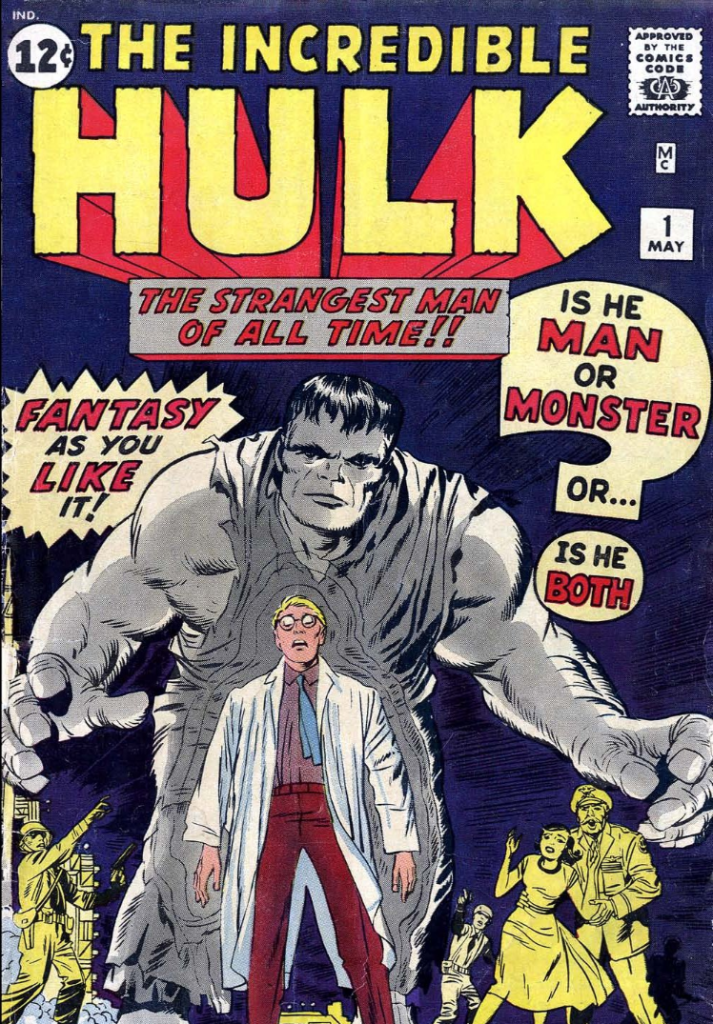
There’s actually more editing on this first image than they usually do…but it is an iconic shot, so I guess I can give them a pass. That’s the panel where Bruce Banner first starts turning into the Hulk, in the first issue of the first Incredible Hulk comic. The cover is the backside of the card. Funnily enough, he was only gray at the start of this comic. By the second issue, he was already green.
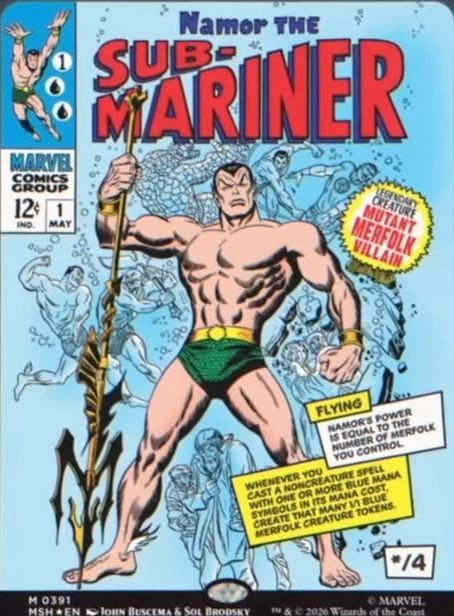
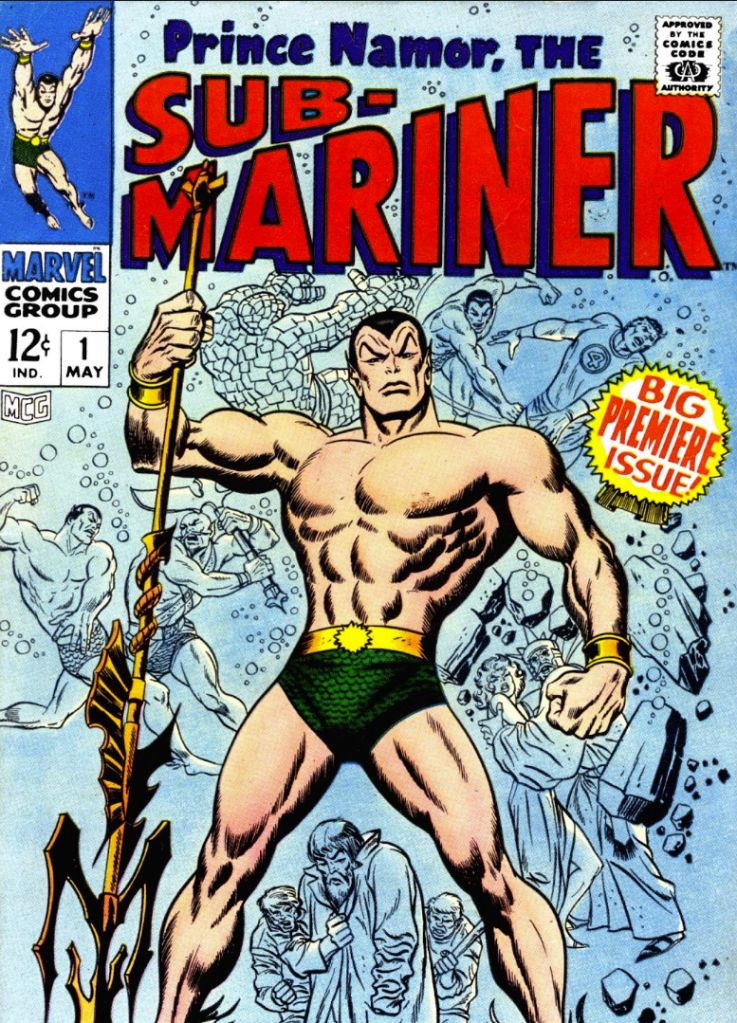
Several years after being introduced as a villain for the Fantastic Four (and simp for Invisible Girl), Namor was given his own run in 1968, this being the cover from his first issue. The very first thing that happens is a villain is pretty sure that he’s killed Namor, so that’s a good start.
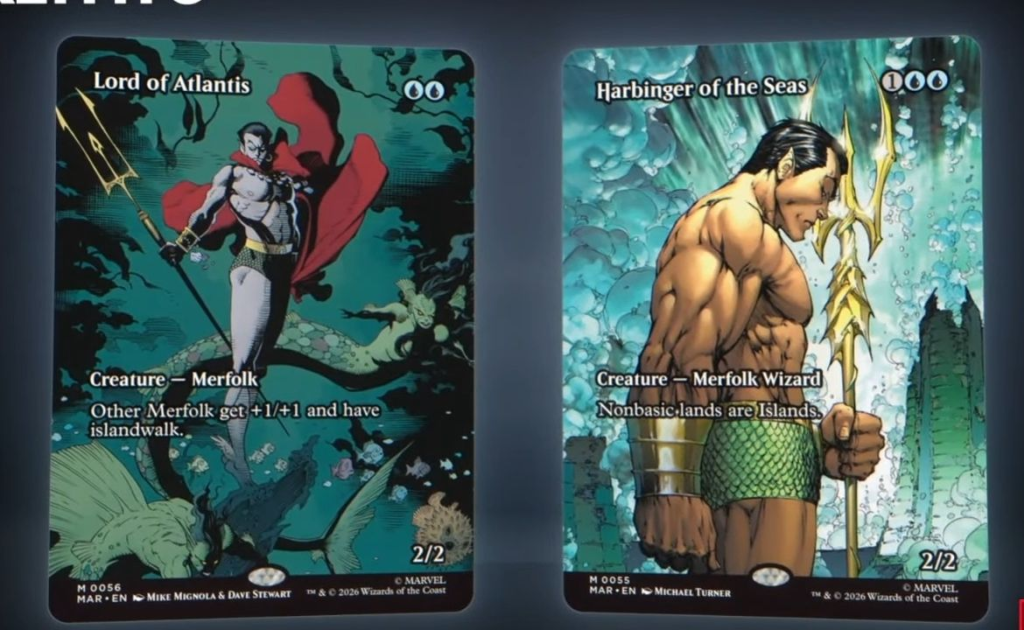
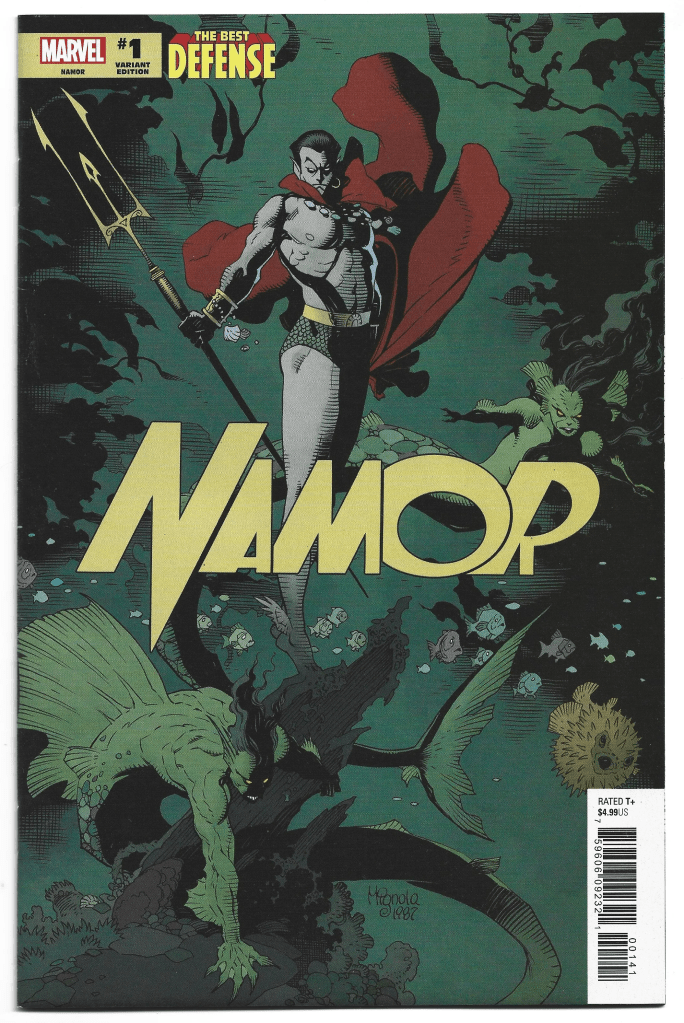
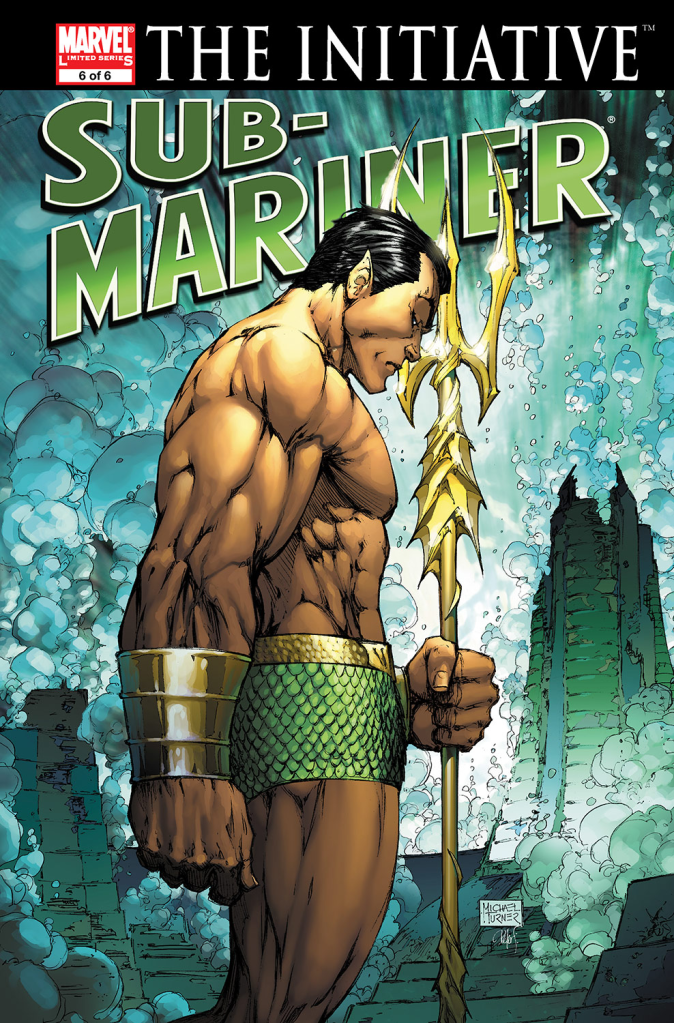
Sadly, my very legal method of acquiring comic book covers didn’t have these two. However, I can tell you that the first one is a variant cover for a big issue called The Best Defense, which I can only assume refers to Namor doing a lot of offense.
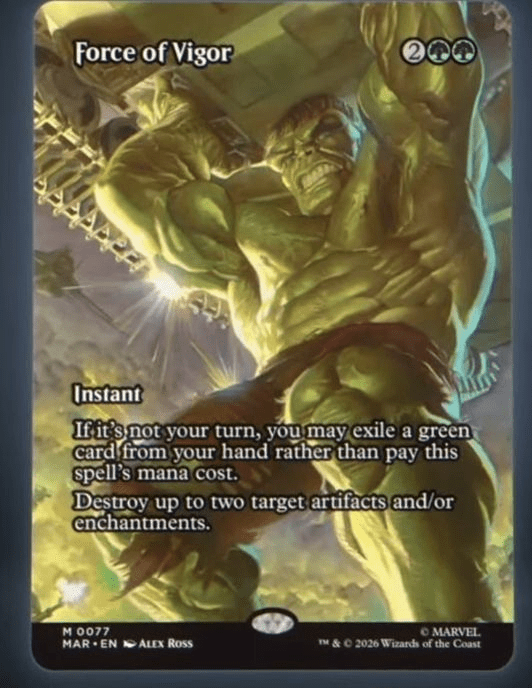
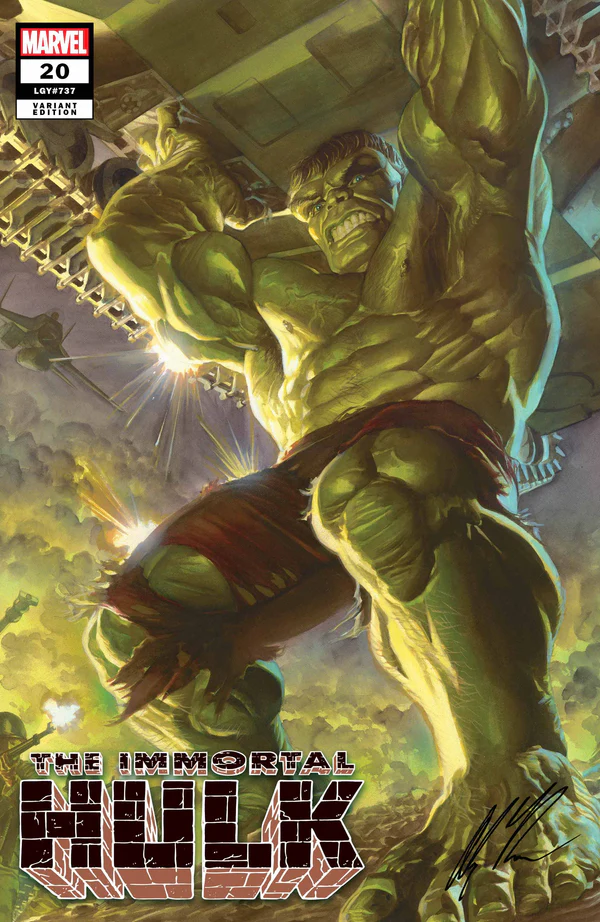
This is another variant cover, from the 2018 run of Hulk comics. As far as I can tell, Hulk is getting messed up with hell and gamma is, like, weird death energy? It’s getting away from just “big smash” and getting into “oh, you’re really a monster. Like, really”.

Also, I have to note that while doing research for this, I came across Immortal Hulk: Great Power, which is a one-off comic where The Hulk just kinda…leaves Bruce Banner and goes into Spider-Man. Loki did it. It’s not funny enough to be a big deal, sadly.
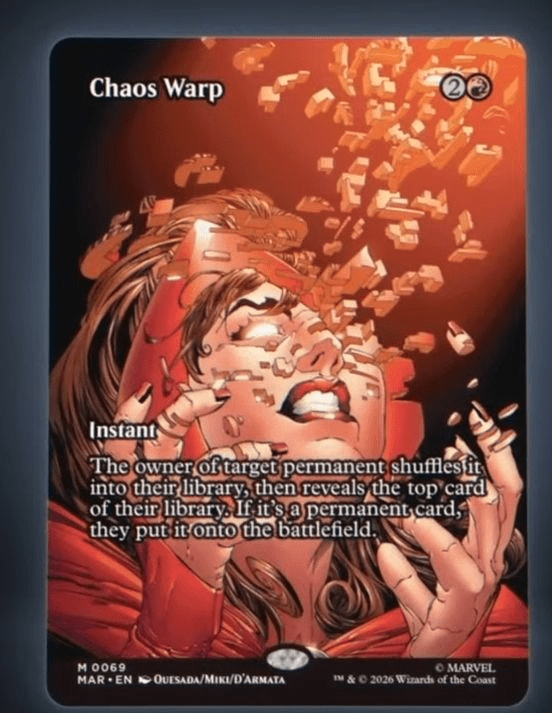
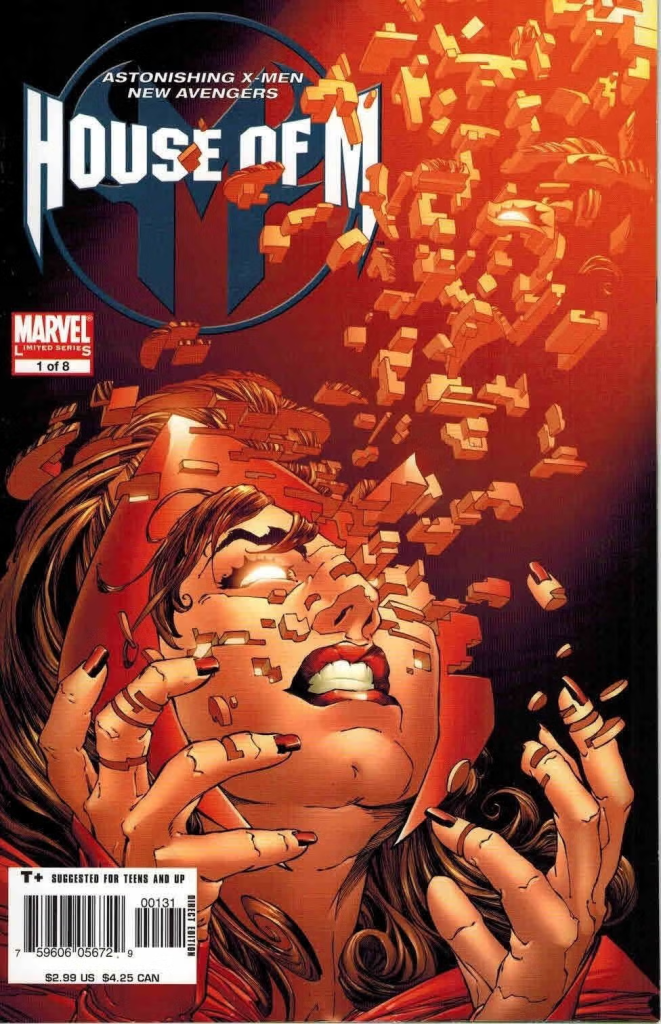
Another variant cover, this is from the first issue of House of M, a massive crossover event in 2005. Previously, Scarlet Witch, who had always been a bit of a wild card in the comics, had gone super nutty and blew up the Avengers, including killing some of them. People were Not Happy about this. They make plans to, you know, un-alive her, for the good of humanity. Which is a bit harsh, coming from a group that includes Cap, Strange, etc. So they go to find her, and then she goes all super crazy with reality magic and just casually remakes the world so that Magneto is in charge of the world and mutants are awesome and also she has kids and isn’t crazy. I can’t do this storyline justice, it’s wild.
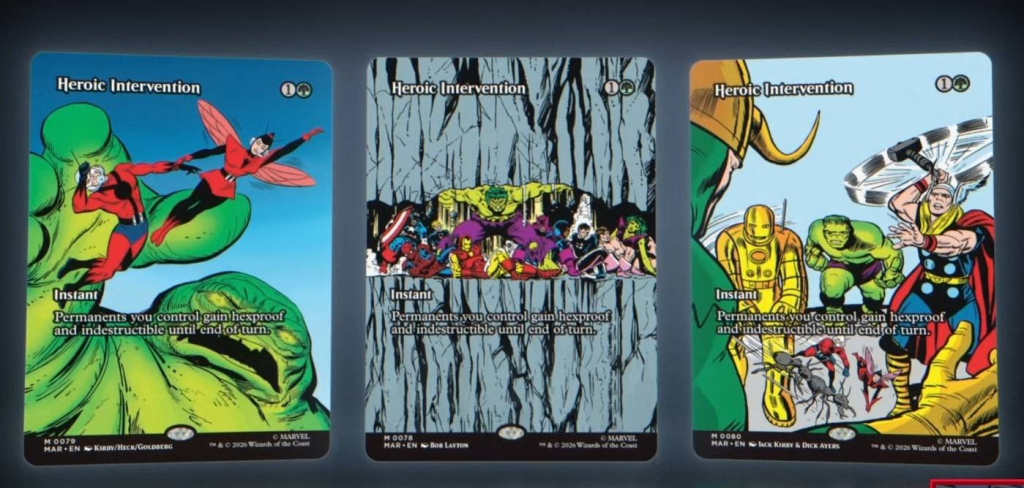
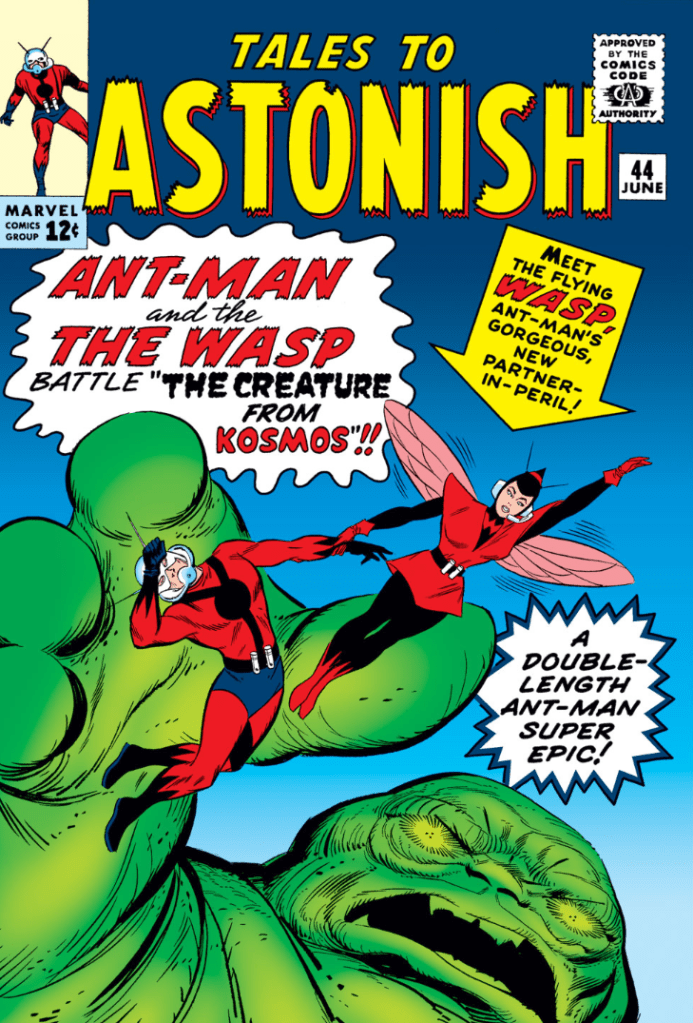
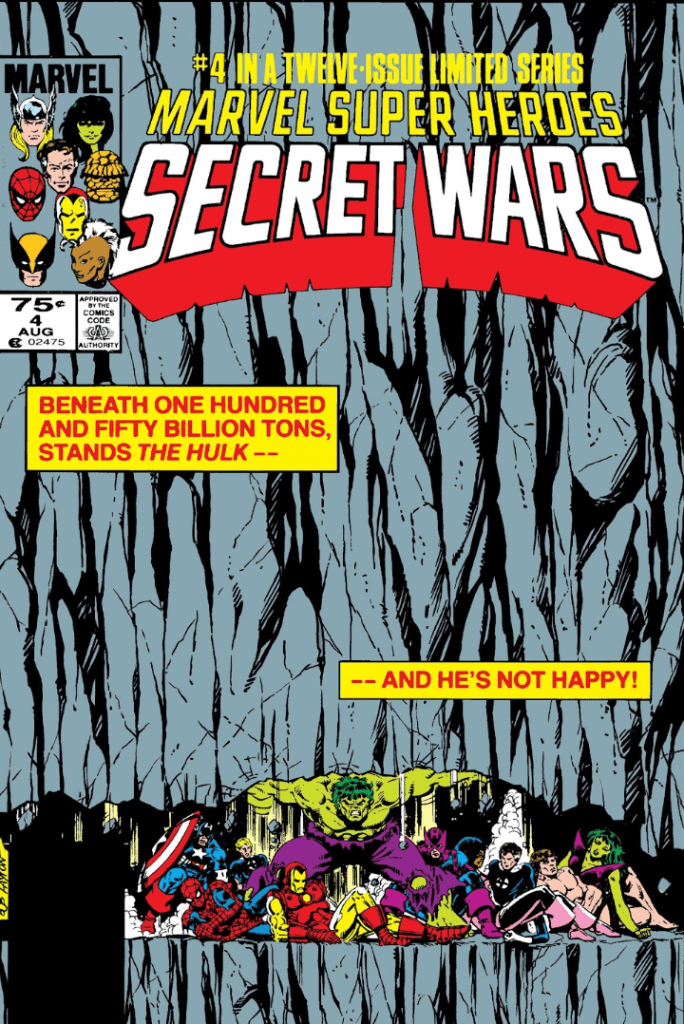
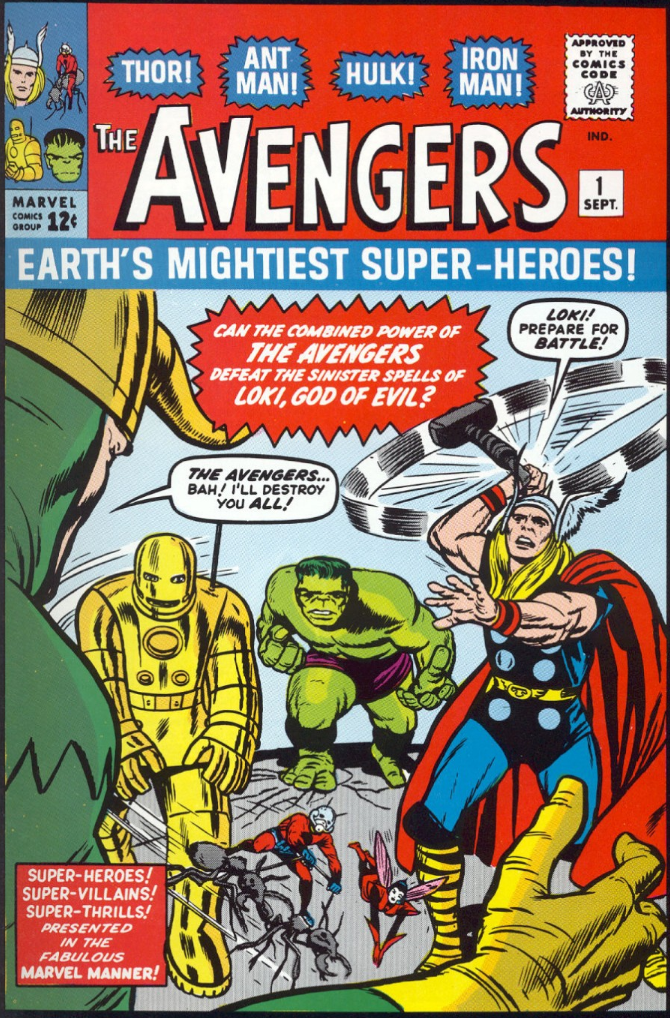
From left to right, we see the debut of The Wasp in Tales to Astonish #44, another series that just kinda had whoever they wanted to write stories about; Secret Wars #4, really the first major crossover event for Marvel, where cosmic jerks took all the heroes and made them fight all the villains; and Avengers #1, literally the first issue of the Avengers as an organization, possibly one of the most important comics to the future of modern media.
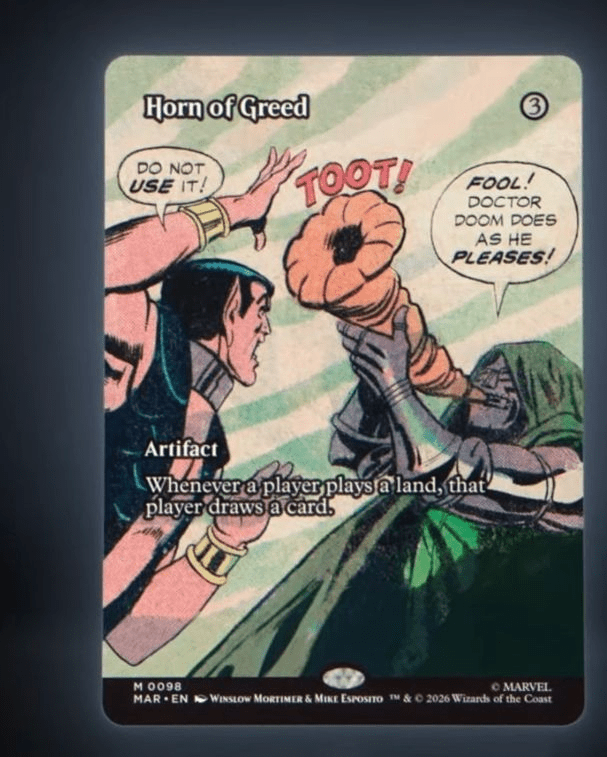
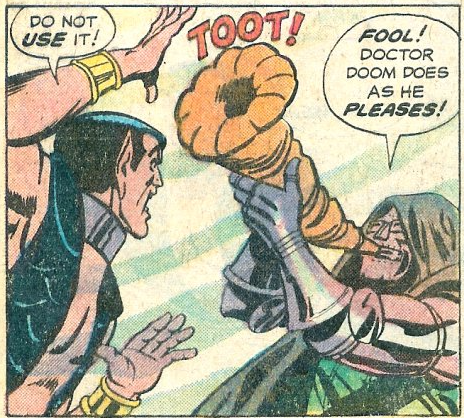
(Poke the second image to see it fully, WordPress is complicated.)

Ah, the meme image. We needed at least one of these. No, Doom does not toot as he pleases, that’s a quick photoshop job. Those astute viewers might be wondering why the dialogue seems much simpler here. That’s because this is from Spidey’s Super Stories #53, a collaboration with Marvel and The Electric Company. If you don’t know about The Electric Company, it was an educational children’s show, more advanced than Sesame Street but with similar sketch humor. It was also the first major gig for Morgan Freeman. Anyways, the Super Stories comics are aimed at younger kids, so the dialogue is very basic. Please, allow me one selection that is just comedy gold.
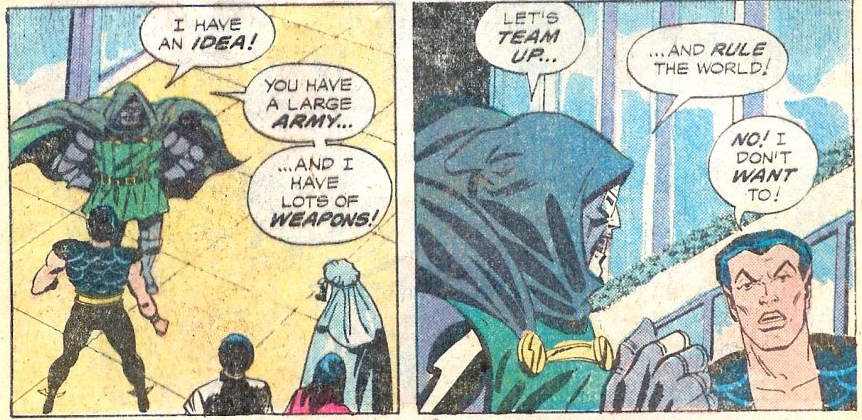
Absolute cinema.

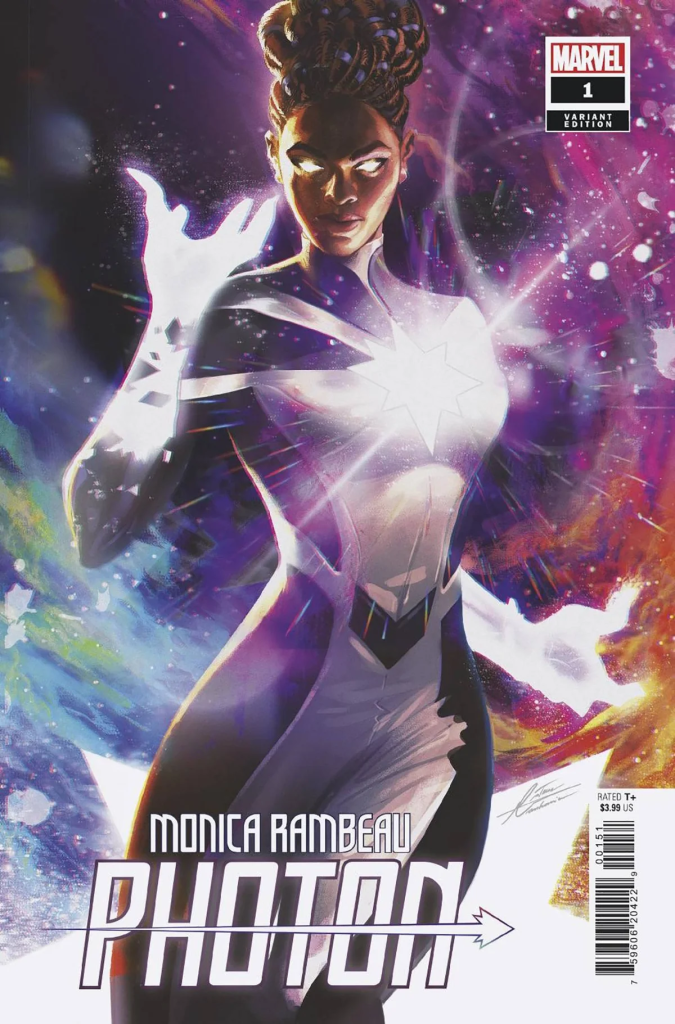
Well, we needed at least one modern hero for the kids to recognize from recent comics and movies. If you managed to sit through The Marvels, you’ll recognize Monica Rambeau, who is kinda Captain Marvel-adjacent. This is, once again, a variant cover. Not terribly interesting as a first issue goes, since she had her origin in a previous comic.
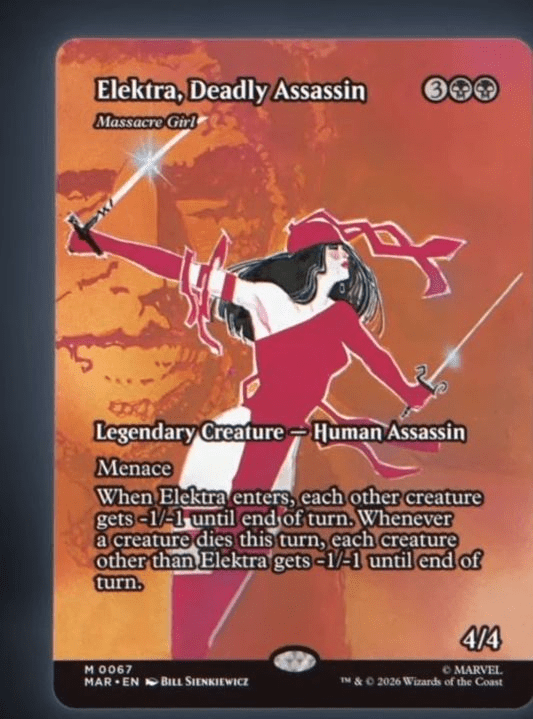
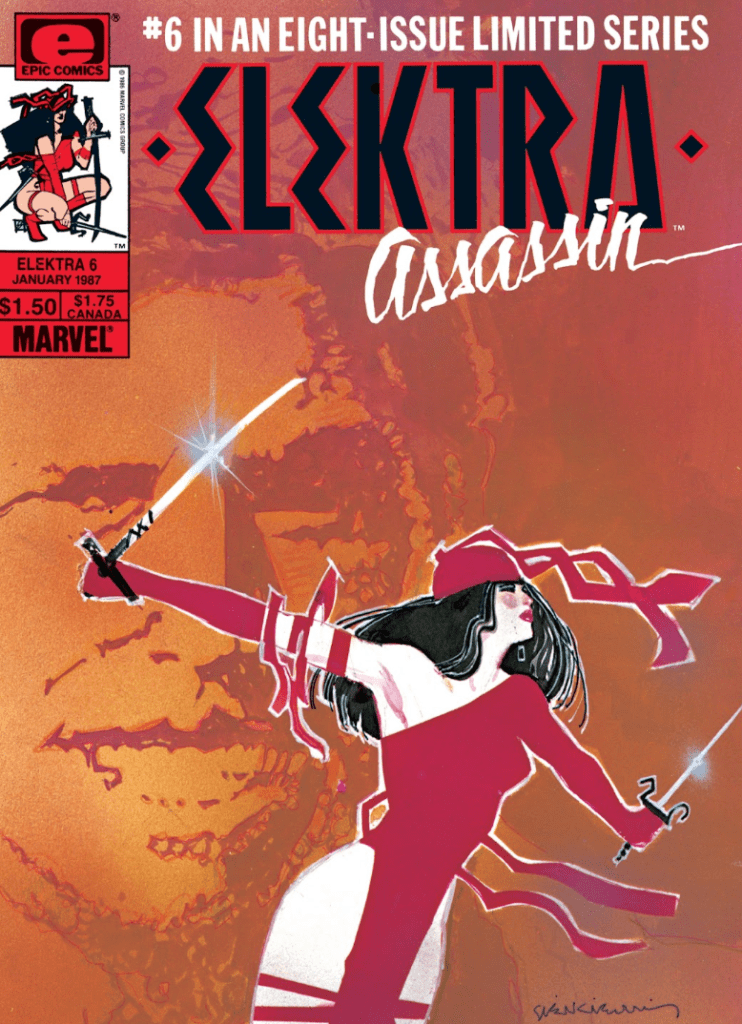
Elektra had been introduced in Daredevil previously, and got her own series eventually. Of note here is the Epic Comics at the top. A subsidiary of Marvel, they allowed creators to retain more rights than usual, and pushed more boundaries of good taste. This comic definitely has a wild art style and content, so that checks out.

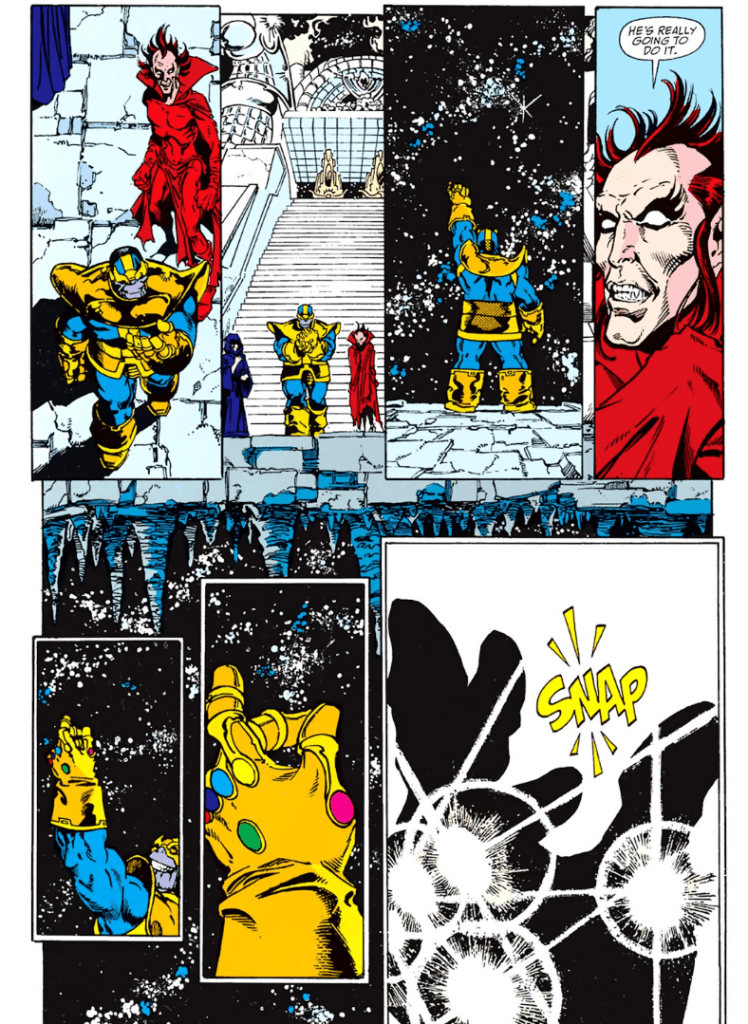
When the comics first covered the topic of the Thanos Snap, he didn’t even really have competition at the time. He had collected all the stuff, he was chilling in space, talking to Death about how much he wants her, and this imp advisor dude is kinda goading him. And then Thanos says “a good lover follows through on his promise to EXTERMINATE HALF OF ALL LIFE” and does it. Pow. This is issue 1 of 6, the rest of them are literally every power in the universe, and some new ones they needed to invent, trying to undo it. Yes, this includes Galactus telling him to knock it off.
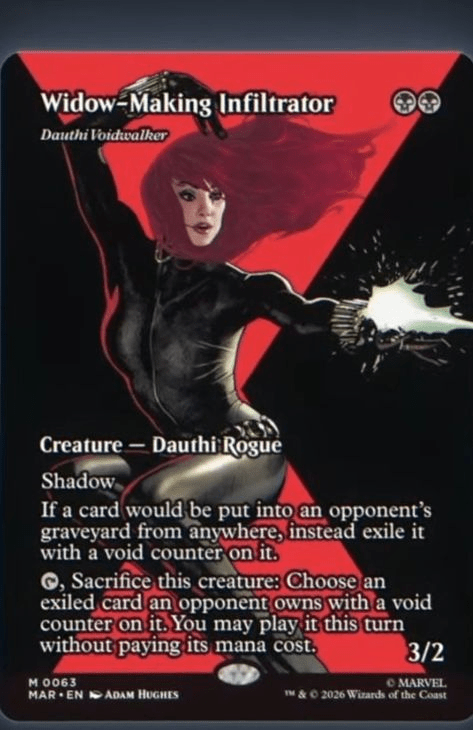
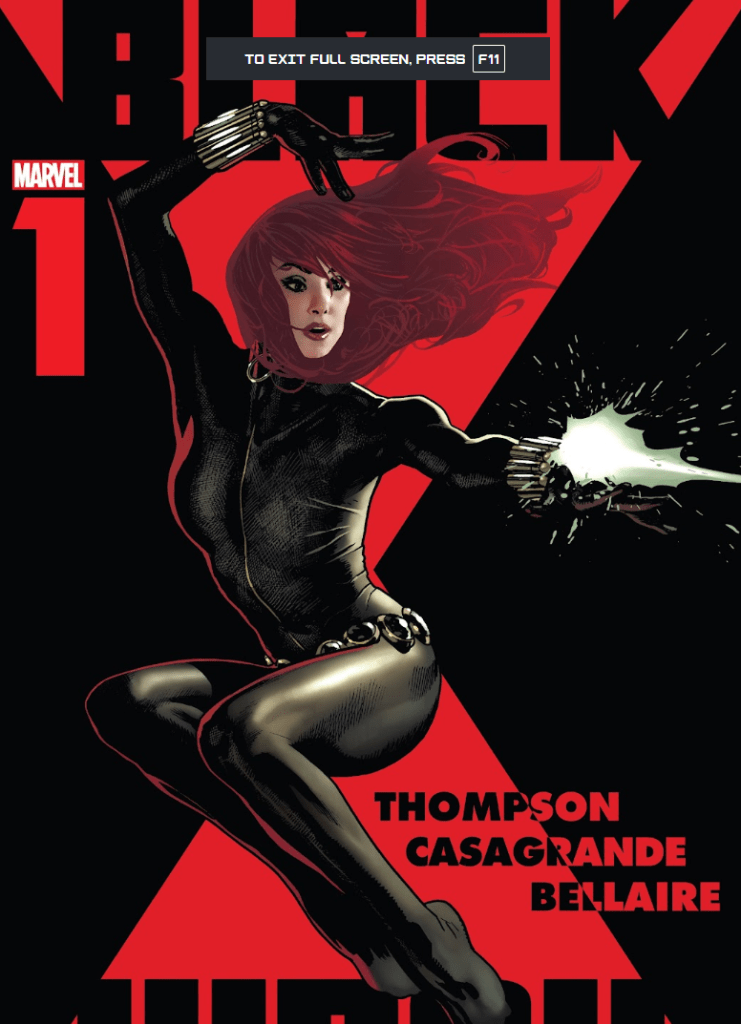
The first issue of the 2020 run of Black Widow comics, I suspect this particular one was chosen because it was a fairly nice shot of the character, without being too…you know…”comic book”. Trust me, you don’t want me to start dumping examples of how misogynist comic book art can be about lithe secret agents in skintight body suits.
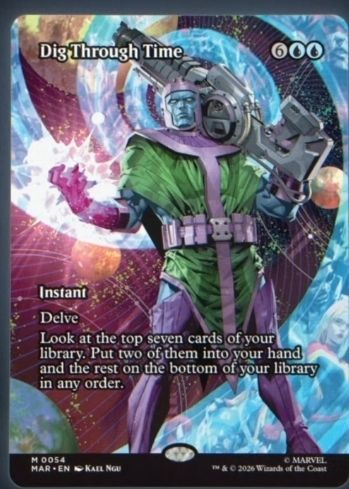
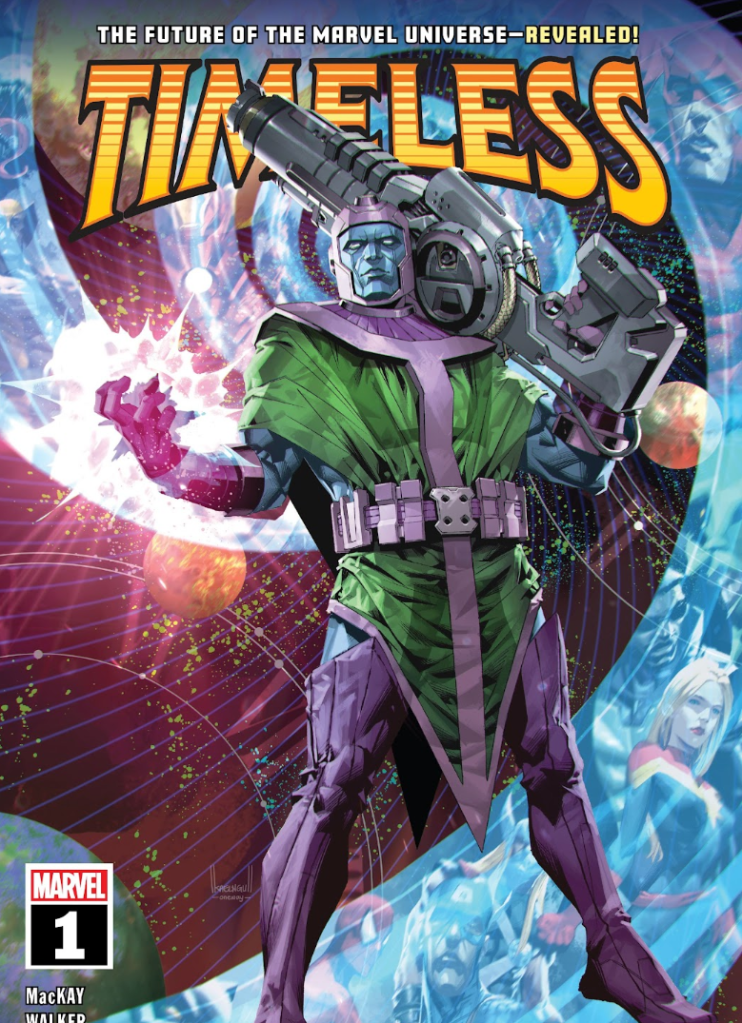
This here is Kang the Conqueror, recognizable from some of the Marvel media and proposed Big Bad until the guy playing him did some Not OK Stuff and got cancelled. Whoops. Anyways, the comic itself, Timeless, is a double-length issue, ostensibly following Kang around, but it also sets up plot threads that will be followed in multiple different comics. Yes, comics have been doing the thing that the Marvel Cinematic Universe does for decades, I’m surprised it took the movies this long to turn into a tangled mess of ads for the next project.

And I think that’s everything from the spoilers today. I’ll try and keep up to date when more drop, though if only one shows up, I might wait until there’s a few to post at the same time. Stay tuned!
Spider-Man Spotlights, Part 2

Another post, another round of comic book references to go through! Prepare yourself for some villainy! But we’re going to start with a few of the most iconic scenes in all of Spider-Man canon.

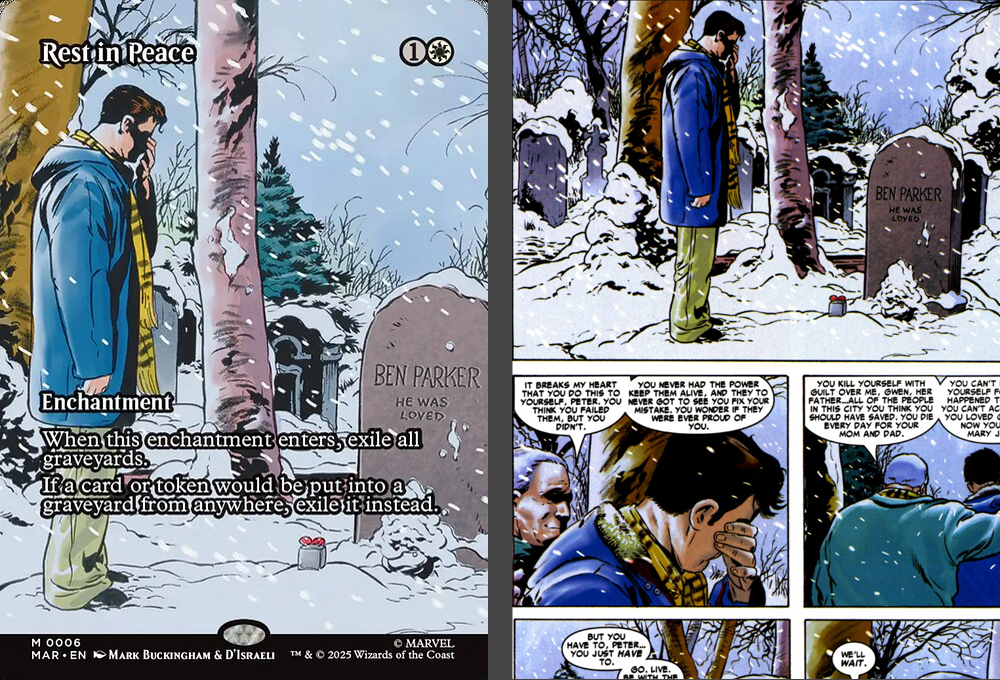
Source: Spectacular Spider-Man #27, April 20, 2005, pg. 18

You’re not seeing things, that is Ben Parker in the following panels. This is the last issue in this particular run of comics, and it contains side references to Calvin and Hobbes, looks back at what makes Spider-Man a hero, and an emotional farewell not just to Peter Parker’s inspiration, but probably a farewell to the journey of creating the comics by the writers and artists themselves; this is made crystal clear by the final page of the comic featuring not just a literal final act bow from Spider-Man and all his allies and villains, but also the artists in the background.

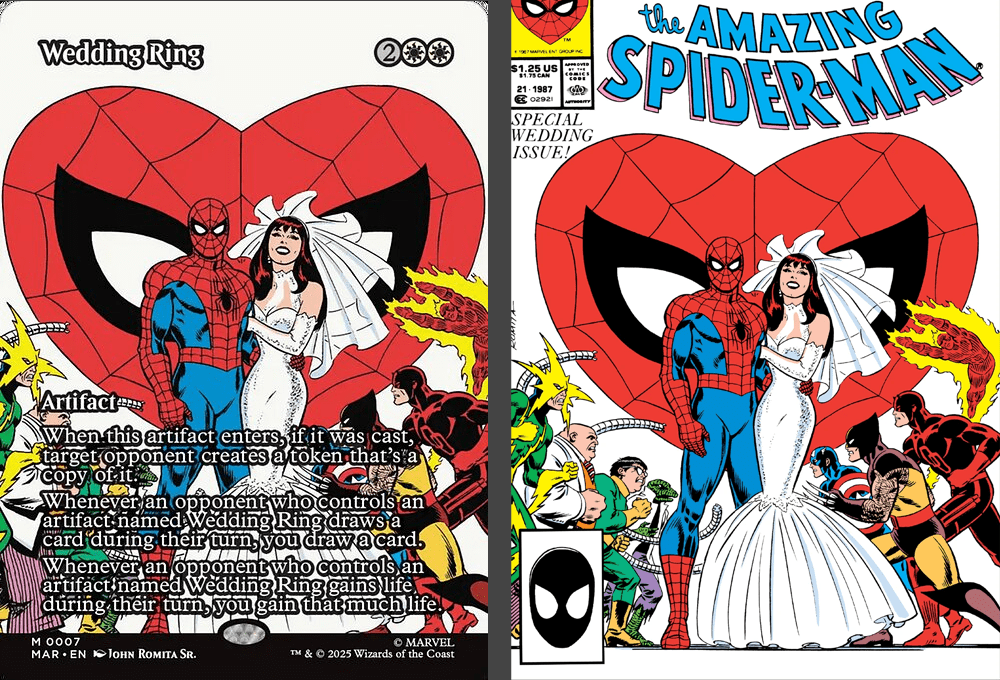
Source: Amazing Spider-Man Annual #21, June 9, 1987, variant cover

If we’re talking about a single most iconic cover from Spider-Man, it might be this one (or more likely, the traditional version where Peter Parker is in a normal wedding suit). Weddings rarely work in comics. Giving a hero a stable relationship removes a lot of potential for easy drama. Also, breaking up weddings is a very villainous act, so they often fail to finish. Peter Parker and the new Mary-Jane Watson Parker are rare among comic book characters; not only did they get married once, but across multiple retellings of the story, they keep finding each other.

Also an important note that will be relevant soon: Annuals were big storyline important issues, produced, well, annually, that were often twice as big as normal comics.

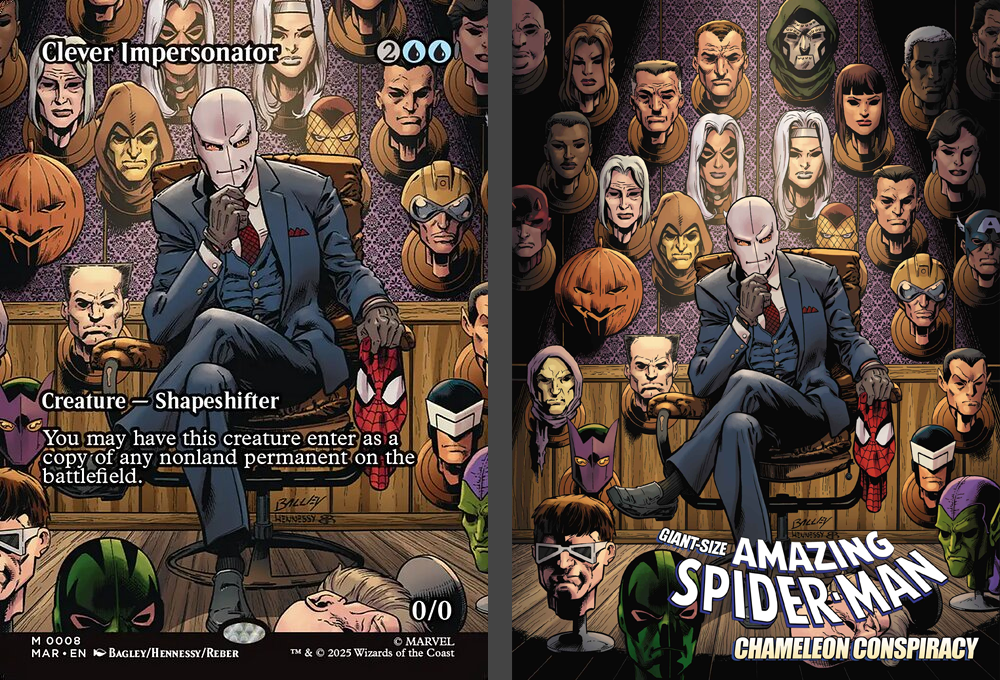
Source: Giant-Size Amazing Spider-Man: Chameleon Conspiracy, June 30, 2021, cover

While this isn’t necessarily an “iconic” image, there’s not a lot of them for Chameleon, whose superpower is the ability to not look like himself, so any important panel with him in it often doesn’t look like he’s in it. This issue is from the modern version of Annuals, taking place between the rebooted Amazing Spider-Man #69 and #70. Without reading too many comics on either side, it appears that Chameleon is not the only one who can do that. He comes from a secret child soldier program full of shapeshifters, and attempts to gaslight Peter Parker’s younger sister Teresa, who is a secret government agent, that she has been a shapeshifter the whole time. Comics are weird.

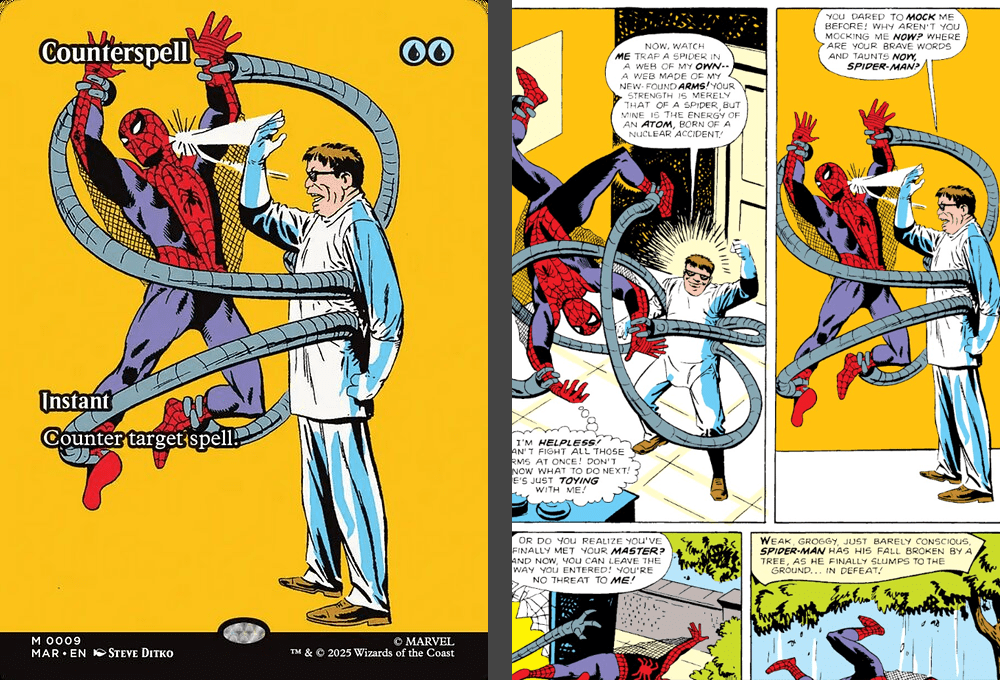
Source: Amazing Spider-Man #3, April 9, 1963, pg. 10

Going from not terribly iconic back to character-defining, this is from the third issue of Amazing Spider-Man, and the debut of Doctor Octopus. The background of the card is yellow because, as you can see, the background of the panel, and most of the fight panels before it, were yellow due to the yellow wall of the room they’re fighting in. Peter Parker then attends a guest lecture by The Human Torch, who provides the brand recognition and motivation to go back and win the rematch.

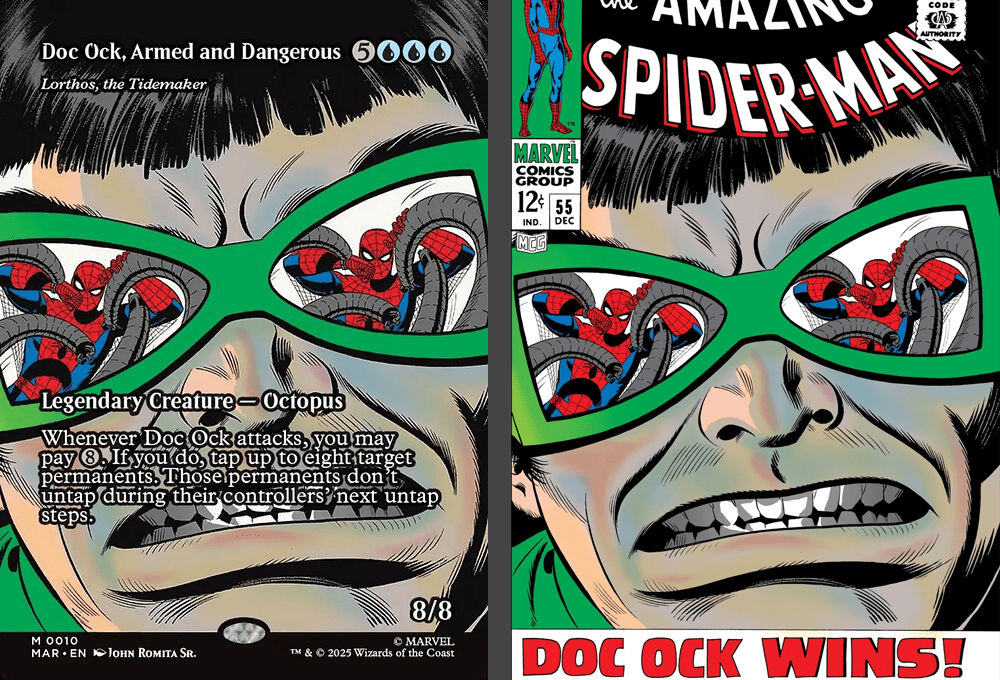
Source: Amazing Spider-Man #55, September 7, 1967, cover

Often, older comics will put something inflammatory on the cover in order to entice readers. The classic examples are those older Superman comics where Superman is being an asshole, and when you actually read the comic, it turns out the cover is a gross misrepresentation. So, does Doc Ock win in this comic? Yep, he shoots Spider-Man with a weapon called a Nullifier that disables all technology, and apparently causes amnesia, so he convinces Spider-Man that they’re allies. To be continued! (Spoilers, he kicks Doc Ock’s ass despite not getting his memory back, and J. Jonah Jameson considers the fact that he has no pictures of villainous Spider-Man to be a communist plot.)

Spider-Man Spotlights, Part 1

Spider-Man, as a property, provides a unique opportunity for Magic. We get to see a selection of some of the most iconic printed moments in Spider-Man history. I collected most of these, just as pairs of images, but I’m going to go a bit more in-depth on each one. Either why it’s iconic, or at least something interesting from that comic. Again, starting with five at a time, just so it’s not a massive wall.

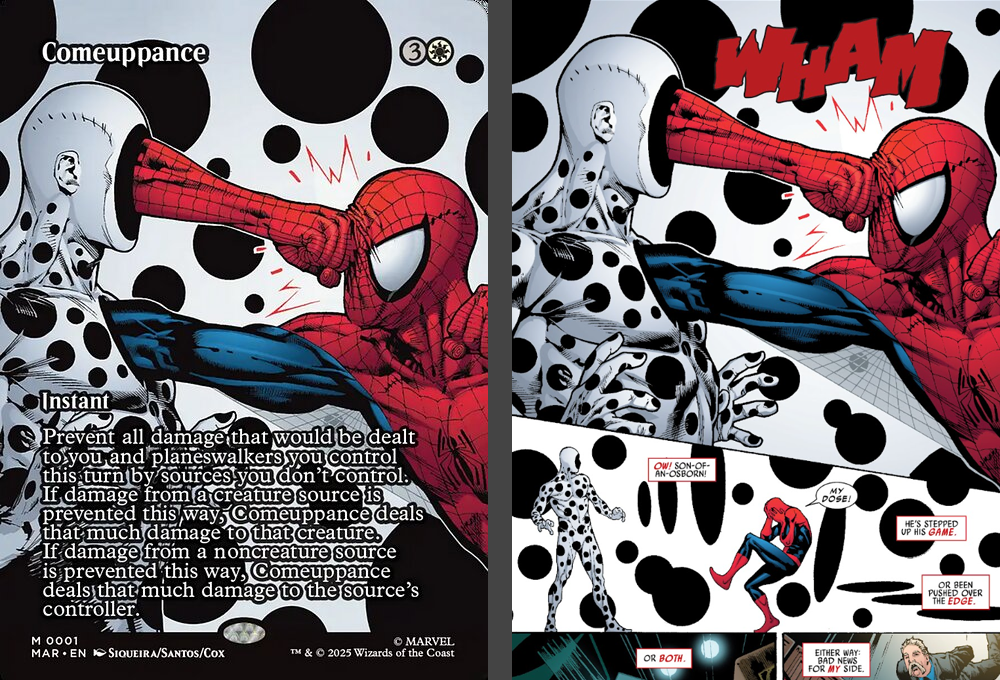
Source: Amazing Spider-Man #579, March 25, 2009, pg. 15

Most of the media spotlight cards utilize iconic covers. This one is from the return of The Spot, who hadn’t been seen for a while. The Spot has had a resurgence recently due to his role in the new Spiderverse movie.
Aunt May’s charity is approached by Russian mobsters that want to use her for good publicity. Peter investigates the mob, but is disrupted by The Spot doing a murder at them. He has to protect the head of the gang.
Pages 7-8 include a Rocky and Bullwinkle reference. Parker is seen using a Syno camera, a parody of Sony. And, most notably, on page 12, Spider-Man tries to talk like Christian Bale and struggles with the gravely voice.

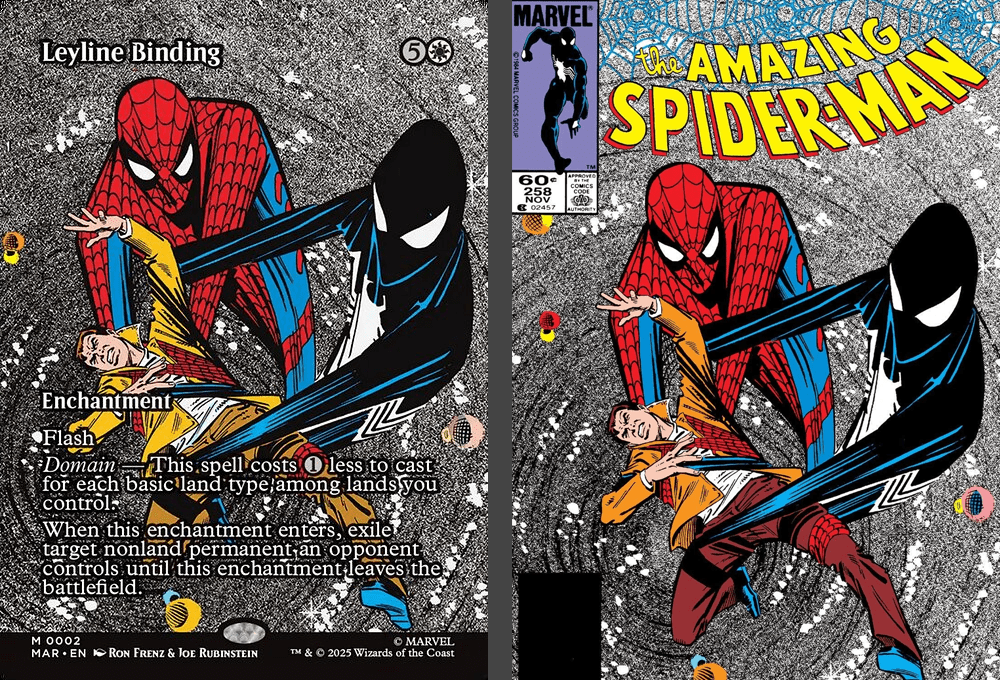
Source: Amazing Spider-Man #258, July 31, 1984, cover

This is not just an iconic cover, but a pivotal issue in the plot. MJ is just a friend, Black Cat is his girlfriend, all that good stuff. But most importantly, Marvel Super Heroes Secret Wars had just taken place, the storyline where Peter Parker first acquires the alien symbiote suit that would go on to be Venom. In order to figure out what is going on with his suit, Peter goes to the Fantastic Four, but needs to remain anonymous, so when he takes his suit off, he wears an old F4 suit and a paper bag, thus marking the first appearance of the Bombastic Bag-Man as seen on the super fancy printing of Spectacular Spider-Man.

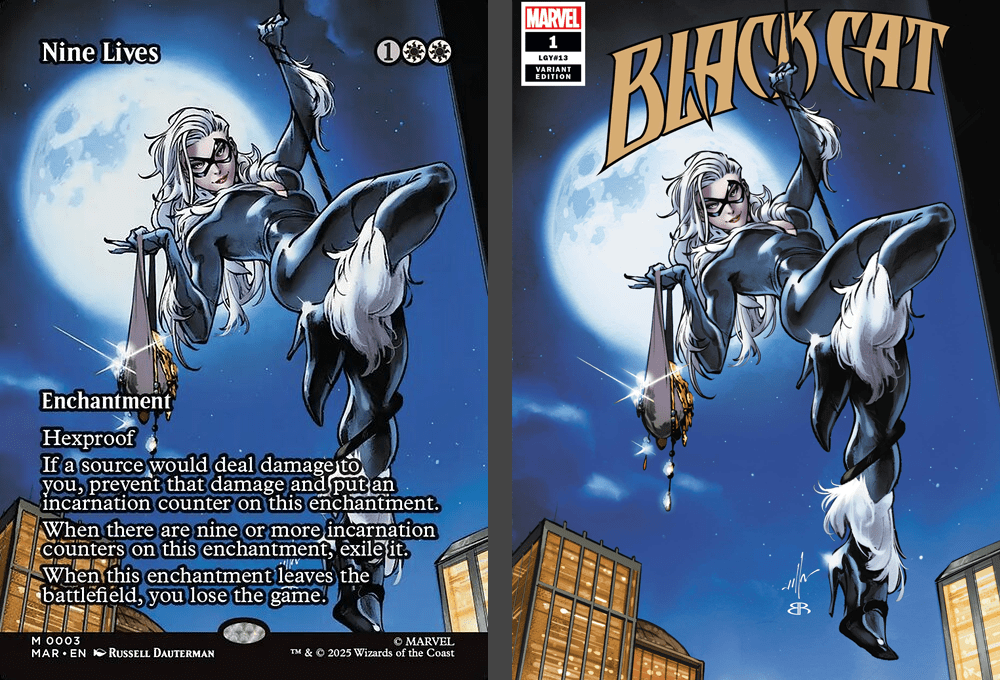
Source: Black Cat 2020 #1, December 16, 2020, variant cover

While not the first Black Cat-centric comic, a cursory glance at other iconic Black Cat covers and individual pages reveals that it’s very likely this one was chosen because Black Cat is often drawn very…un-family friendly, and this one gets you a nice cat burglar pose without too much T&A. This ten-issue run takes place during a major Marvel crossover event when Earth was being invaded by an army of symbiotes, and Black Cat was doing some anti-hero-ing.

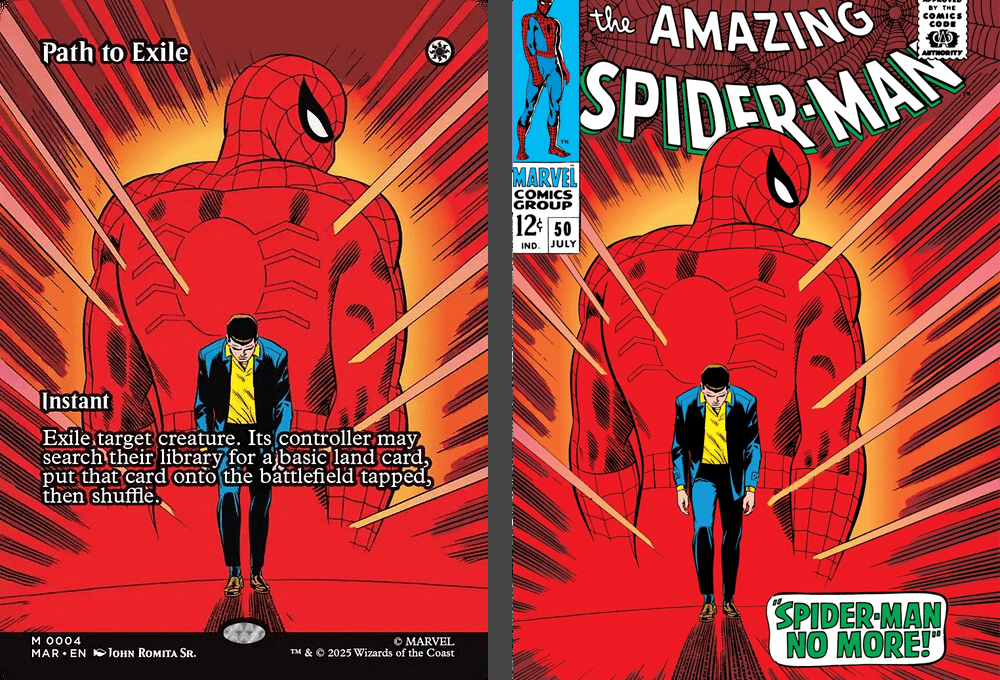
Source: Amazing Spider-Man #50, April 11, 1967, cover

If we’re talking about iconic Spider-Man covers, I’d put this in my top 5. The first milestone comic, being number 50, obviously a big story climax had to happen here. And they didn’t disappoint; Aunt May is very sick, he’s struggling in school, Gwen Stacy is flirting with him, and J. Jonah Jameson is starting to get under his skin. So Peter makes the ultimate decision. He dumps his suit in a trash can, in another iconic image. This lasts about 15 pages, when he saves a night watchman who looks like Uncle Ben and then has a big emotional roller coaster.

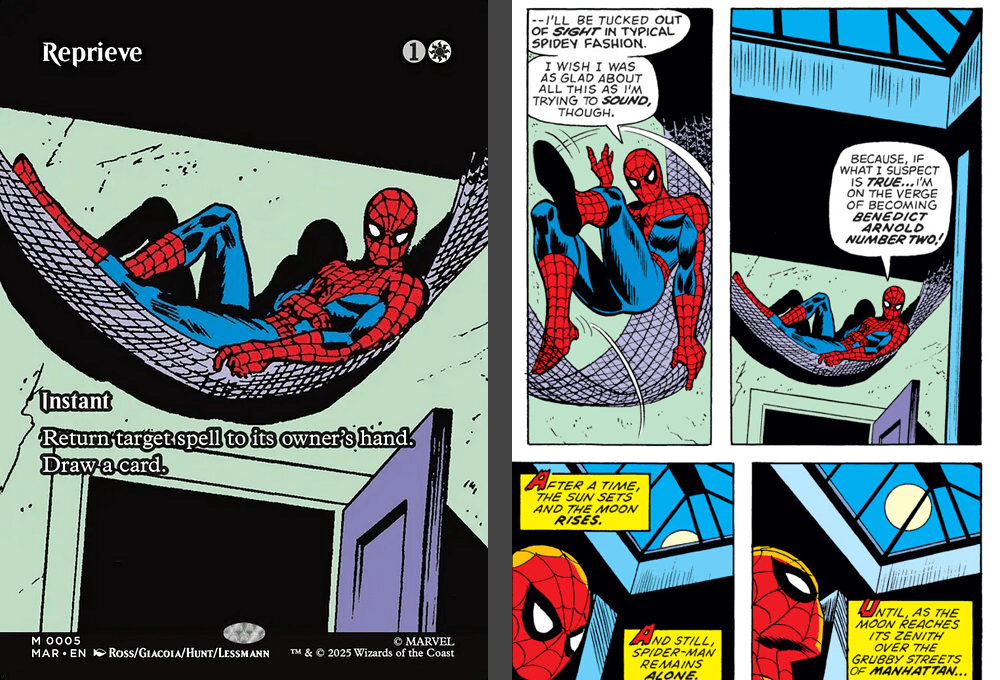
Source: Amazing Spider-Man #136, June 11, 1974, pg. 11

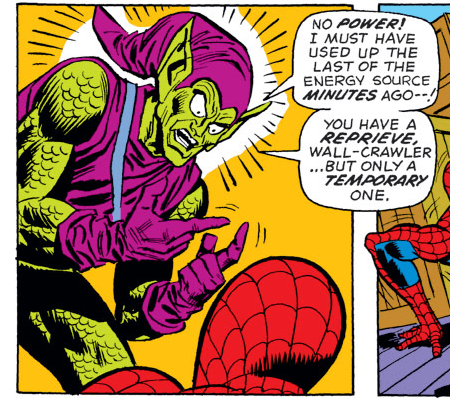
Green Goblin had been slain 14 issues earlier. But when a very identifiable explosion puts MJ in the hospital, Spidey is convinced that despite Norman Osborn being dead, the villainous Goblin is still around. So he goes to Goblin’s old hideout, finds it full of dust, decides to see if it is fake dust, finds out that it is, and establishes a stakeout. By creating a web hammock and just waiting. 6 pages later, as Harry Osborn (spoilers if you haven’t read any Spider-Man comics or didn’t watch Spider-Man 3) is about to finish him off, the Goblin runs out of power in his suit. Here’s what he has to say about that:

Wonder if that’s why they chose an image from this comic…also, that’s basically the end of the issue. Goblin runs out of power and runs away. Big let-down.

Anyways, that’s the first five of forty (holy crap, there’s forty of these) special cards to look at. I hope you like the context for each one, and stay tuned for more of my insane rabbit holes I have to go down to try and find the source for unlabeled individual panels.